

Helping Teens Handle Peer Pressure
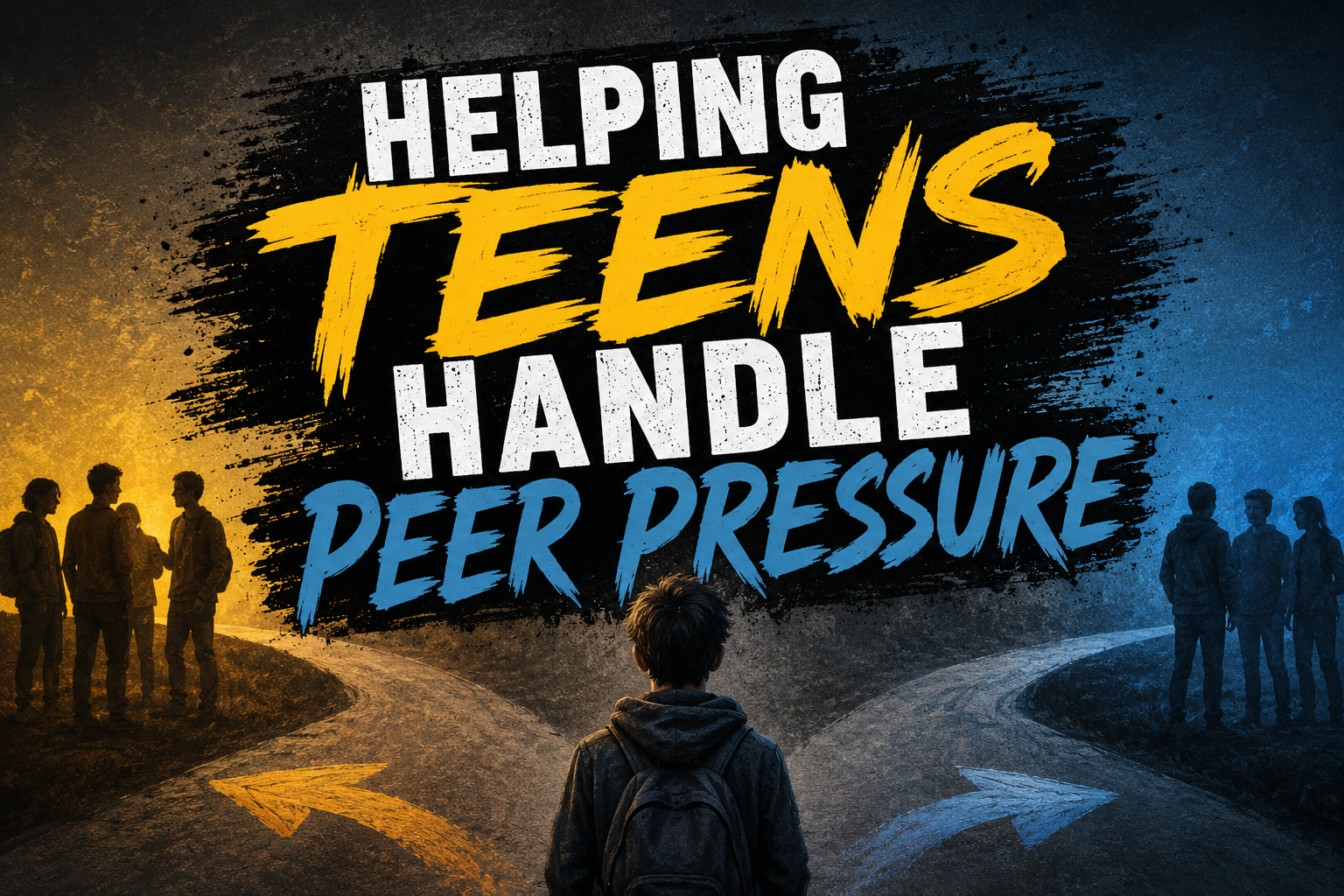
Teenagers today face more pressure than ever before. From social media expectations to in-person friendships, the pull to fit in can feel overwhelming. Peer pressure isn’t new—but the intensity and constant exposure certainly are. The question is: how can teens stand strong when everyone else seems to be going the opposite direction?
What Is Peer Pressure?
Peer pressure is the influence others have on your decisions, behaviors, and values. Sometimes it’s obvious—someone directly urging you to do something wrong. But often it’s subtle: the fear of being left out, judged, or different. For teens, the desire to belong is powerful.
Why Teens Give In
Understanding the “why” helps us address the problem:
Fear of rejection – No one wants to feel excluded
Desire for approval – Being liked feels good
Lack of confidence – Not knowing what you truly believe
Curiosity – Wanting to experience what others are doing
When identity isn’t settled, pressure becomes harder to resist.
Building a Strong Foundation
The key to handling peer pressure isn’t just saying “no”—it’s knowing why you’re saying no.
1. Know who you are
Teens who understand their identity are less likely to be swayed. Your worth isn’t defined by friends, trends, or likes—it’s rooted in something deeper.
2. Decide ahead of time
Pressure is strongest in the moment. Decisions made beforehand are easier to stick to. Help teens set clear convictions early.
3. Choose the right friends
The people around you shape you. Encourage teens to build friendships with those who support their values, not challenge them in unhealthy ways.
4. Practice saying no
It sounds simple, but it’s powerful. Role-playing situations can help teens gain confidence:
“That’s not really my thing.”
“I’m good, I’ll pass.”
“I’ve got other plans.”
Confidence grows with practice.
Practical Strategies for Teens
Pause before responding – You don’t have to answer immediately
Have an exit plan – A way to leave uncomfortable situations
Stay connected to trusted adults – Parents, leaders, mentors
Limit harmful influences – Especially online
Sometimes the strongest thing a teen can do is walk away.
A Word to Parents and Leaders
Teens need more than rules—they need relationships. Create an environment where they feel safe talking about pressure.
Listen more than you lecture. Influence grows through connection.
Peer pressure will always exist—but it doesn’t have to control a teen’s life. When young people are grounded in truth, surrounded by the right influences, and equipped with practical tools, they can stand firm—even when it’s hard. Standing alone for what’s right may feel difficult in the moment but it builds a strength that lasts a lifetime.